
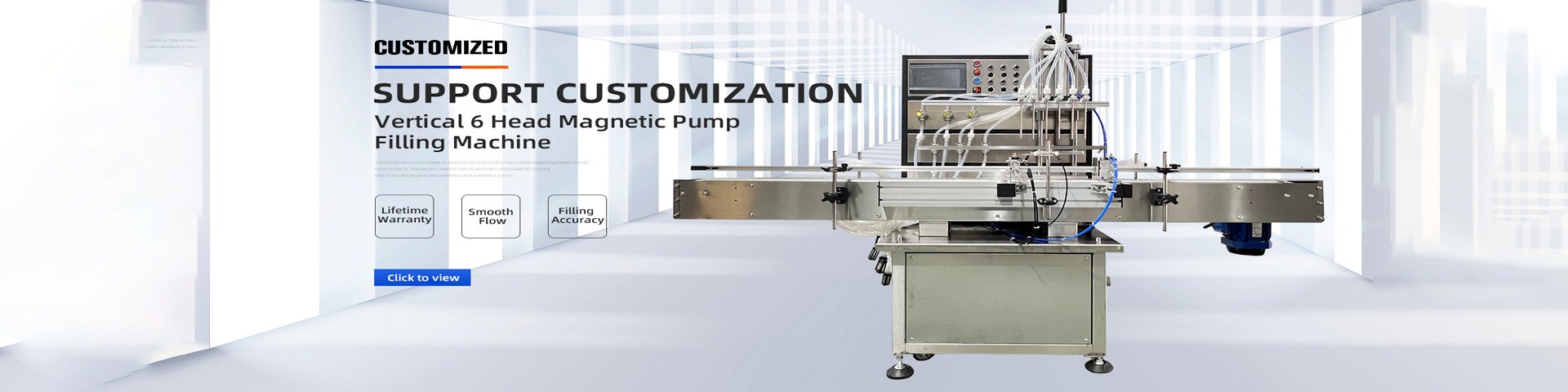
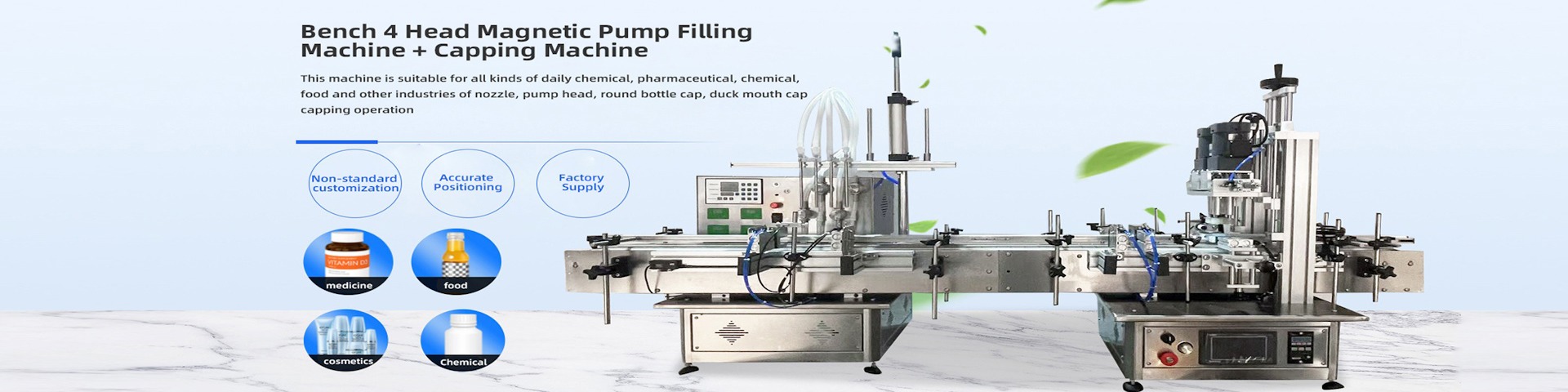


В современном мире пищевая промышленность сталкивается с множеством вызовов: растущий спрос на качественную продукцию, ужесточение стандартов безопасности и необходимость повышения эффективности. Надежные пищевые машины играют ключевую роль в преодолении этих вызовов, обеспечивая идеальное производство. В этой статье мы подробно рассмотрим, как выбрать и использовать такое оборудование, его преимущества, инновационные технологии и практические аспекты для оптимизации вашего бизнеса.
Введение в мир пищевых машин
Пищевые машины — это специализированное оборудование, предназначенное для обработки, упаковки, приготовления и контроля качества пищевых продуктов. Они варьируются от простых устройств, таких как миксеры и печи, до сложных автоматизированных линий, включающих роботизированные системы. Надежность этих машин критически важна, так как сбои в работе могут привести к потере продукции, нарушению санитарных норм и финансовым убыткам.
Исторически пищевая промышленность развивалась от ручного труда к механизации, а теперь к полной автоматизации. Сегодняшние машины оснащены передовыми технологиями, такими как IoT (Интернет вещей) и AI (искусственный интеллект), которые позволяют мониторить процессы в реальном времени и предсказывать возможные неисправности. Это не только повышает надежность, но и сокращает эксплуатационные затраты.
Выбор надежных пищевых машин начинается с понимания ваших производственных нужд. Например, для хлебопекарного предприятия ключевыми могут быть печи и тестомесы, в то время как для мясоперерабатывающего завода важны машины для нарезки и упаковки. Всегда учитывайте объем производства, тип продукции и бюджет при принятии решения.
Ключевые типы пищевых машин и их роль в производстве
Пищевые машины можно классифицировать по различным критериям, таким как функция, степень автоматизации и отрасль применения. Вот некоторые из основных типов:
- Обрабатывающие машины: Включают миксеры, измельчители, гомогенизаторы и т.д. Они используются для подготовки сырья, например, смешивания ингредиентов или измельчения мяса. Надежность здесь обеспечивается прочными материалами, такими как нержавеющая сталь, и регулярным обслуживанием.
- Упаковочные машины: Это оборудование для фасовки, герметизации и маркировки продукции. Автоматические упаковщики могут значительно увеличить скорость производства и снизить человеческий фактор. Ключевые аспекты надежности включают точность дозирования и устойчивость к износу.
- Приготовительные машины: Печи, грили, варочные котлы и другие устройства для термической обработки. Они должны поддерживать стабильную температуру и обеспечивать равномерное приготовление, что напрямую влияет на качество конечного продукта.
- Контрольные и измерительные машины: Например, системы для проверки веса, цвета или наличия contaminants. Эти машины используют датчики и камеры для обеспечения соответствия стандартам. Их надежность critical для избежания recalls и поддержания репутации бренда.
Каждый тип машины требует специфического подхода к обслуживанию. Например, упаковочные машины могут нуждаться в регулярной очистке от остатков продукта, в то время как обработчики требуют проверки режущих элементов. Интеграция этих машин в единую производственную линию через системы управления (如 PLC) further enhances reliability by allowing centralized monitoring.
Преимущества надежных пищевых машин
Инвестиции в надежное оборудование окупаются многократно через различные benefits. Во-первых, они обеспечивают consistent качество продукции. Машины с высокой надежностью минимизируют variations в производственном процессе, что приводит к uniform products that meet customer expectations. For instance, a reliable oven will bake bread evenly every time, reducing waste and increasing customer satisfaction.
Во-вторых, надежные машины повышают эффективность производства. Они работают с меньшим количеством простоев, что позволяет увеличить output and reduce costs. Automated machines can operate 24/7 with minimal human intervention, leading to higher productivity. Additionally, they often come with energy-efficient features, such as variable speed drives, which lower utility bills and contribute to sustainability.
В-третьих, безопасность является critical аспектом. Надежные машины designed with safety features, such as emergency stops and guards, to protect workers from accidents. They also help maintain food safety by preventing contamination through precise control and easy-to-clean surfaces. This is especially important in industries like dairy or meat processing, where hygiene is paramount.
Наконец, долговечность и low maintenance costs make reliable machines a wise investment. High-quality equipment lasts longer and requires fewer repairs, reducing total cost of ownership. For example, machines made from corrosion-resistant materials can withstand harsh cleaning chemicals without degradation, extending their lifespan.
Инновационные технологии в пищевых машинах
Современные пищевые машины incorporate cutting-edge technologies to enhance reliability and performance. Internet of Things (IoT) allows machines to connect to networks, enabling real-time data collection and analysis. Sensors monitor parameters like temperature, pressure, and vibration, alerting operators to potential issues before they cause failures. Predictive maintenance, powered by AI algorithms, can schedule repairs based on data trends, minimizing unplanned downtime.
Robotics and automation have revolutionized food production. Robots can perform repetitive tasks with high precision, such as picking and placing products or packaging items. They are reliable because they operate consistently without fatigue, reducing errors and increasing speed. Collaborative robots (cobots) work alongside humans, enhancing flexibility in production lines.
Additive manufacturing, or 3D printing, is emerging in the food industry for creating custom parts or even food products themselves. While still in early stages, it offers potential for on-demand production and reduced waste. For machinery, 3D printing can produce spare parts quickly, improving maintenance reliability.
Energy-efficient technologies, such as heat recovery systems and solar power integration, make machines more sustainable and cost-effective. These innovations not only boost reliability but also align with global trends towards green manufacturing.
Как выбрать надежные пищевые машины: практическое руководство
Выбор подходящего оборудования involves several steps to ensure reliability. Start by conducting a thorough needs assessment: define your production volume, product types, and space constraints. Consult with experts or suppliers who can provide insights based on industry experience.
Evaluate machine specifications, such as capacity, speed, and material compatibility. Look for certifications like ISO or CE marks, which indicate compliance with safety and quality standards. Read reviews and case studies from other users to gauge real-world performance.
Consider the total cost of ownership, not just the purchase price. Factor in maintenance costs, energy consumption, and potential downtime. Opt for machines with warranties and good customer support, as this can save money in the long run.
Test machines before purchase if possible. Many suppliers offer demonstrations or trial periods. This allows you to see the equipment in action and identify any potential issues. Additionally, plan for training your staff to operate and maintain the machines properly, as human error can impact reliability.
Finally, think about scalability. Choose machines that can be upgraded or integrated with future technologies to adapt to changing market demands. This forward-thinking approach ensures long-term reliability and competitiveness.
Обслуживание и уход за пищевыми машинами
Regular maintenance is essential for keeping machines reliable. Develop a maintenance schedule based on the manufacturer's recommendations and usage patterns. This includes daily cleaning to prevent buildup of food residues, which can harbor bacteria and cause malfunctions.
Lubricate moving parts as needed to reduce wear and tear. Use food-grade lubricants to avoid contamination. Inspect electrical components for signs of damage or corrosion, and replace them promptly to prevent failures.
Keep detailed records of maintenance activities, including dates, parts replaced, and issues encountered. This data can help identify patterns and plan preventive measures. Consider using maintenance management software to streamline this process.
Train your team on proper operation and troubleshooting. Empower them to perform basic checks and report problems early. This proactive approach can prevent minor issues from escalating into major breakdowns.
In case of failures, have a contingency plan in place. Stock critical spare parts and establish relationships with reliable service providers. Quick response times can minimize production disruptions and maintain reliability.
Будущее пищевых машин: тренды и прогнозы
The future of food machinery is shaped by trends such as increased automation, sustainability, and personalization. Machines will become smarter with enhanced AI capabilities, allowing for autonomous decision-making and optimization. For example, self-adjusting ovens that change temperature based on real-time feedback from sensors.
Sustainability will drive the adoption of eco-friendly materials and energy-efficient designs. Circular economy principles may lead to machines that are easier to recycle or repurpose at end-of-life.
Personalization is another key trend, with machines capable of producing customized food products on demand. This could involve 3D food printers or flexible production lines that switch between recipes quickly.
Global challenges, such as climate change and population growth, will necessitate more reliable and efficient machinery to ensure food security. Innovations in vertical farming and lab-grown meat may also influence machine design.
Overall, the focus will remain on reliability, but with added emphasis on adaptability and integration with digital ecosystems. Companies that invest in these advanced machines will gain a competitive edge in the evolving food industry.
Заключение: путь к идеальному производству
Надежные пищевые машины являются cornerstone современного пищевого производства. Они обеспечивают качество, эффективность, безопасность и устойчивость, необходимые для успеха в конкурентной среде. Путем тщательного выбора, регулярного обслуживания и adoption инноваций, предприятия могут достичь идеального производства.
Invest in reliable equipment today to build a foundation for future growth. Remember, the journey to perfect production starts with the right machines and a commitment to excellence. Embrace the advancements in technology and stay ahead of the curve to thrive in the dynamic food industry.
Thank you for reading this comprehensive guide. We hope it provides valuable insights and practical advice for optimizing your food production processes. If you have any questions or need further assistance, feel free to reach out to experts in the field.
