
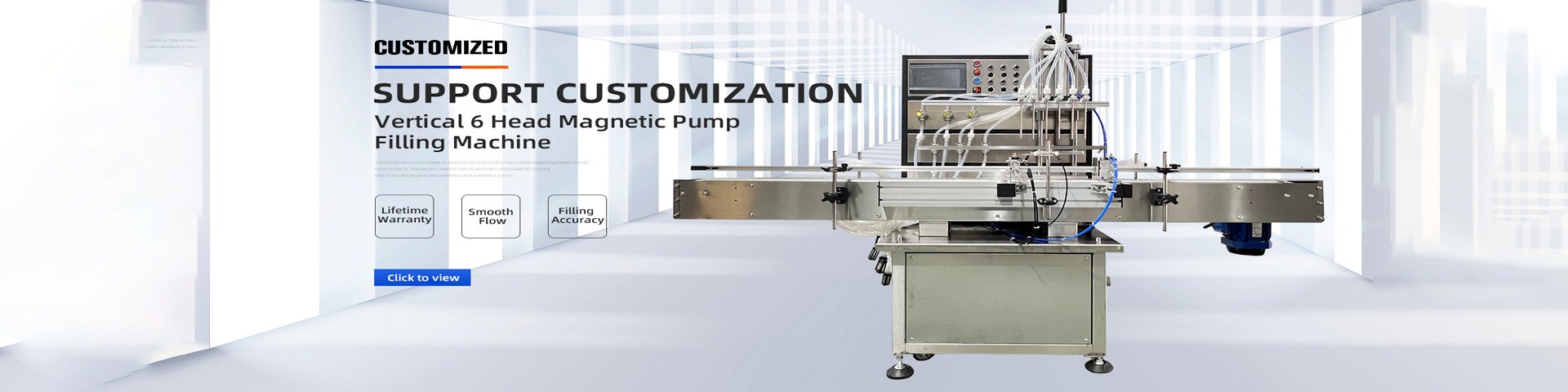
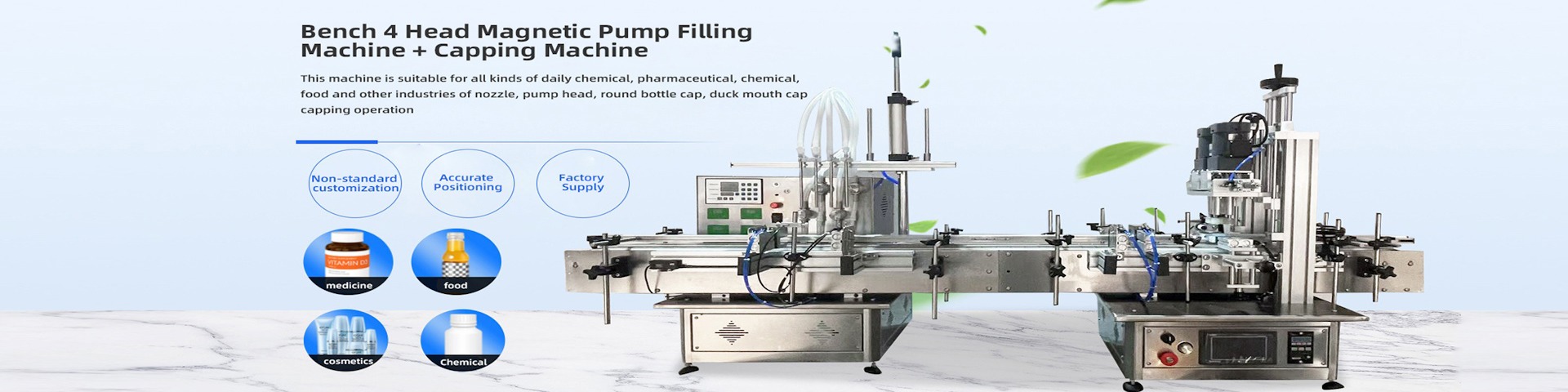


В современном мире пищевая промышленность сталкивается с множеством вызовов: растущий спрос на качественные и безопасные продукты, необходимость снижения издержек, ужесточение экологических норм и конкуренция на глобальном рынке. В ответ на эти вызовы отрасли все чаще обращаются к высокотехнологичным машинам, которые не только автоматизируют процессы, но и привносят инновации, способные кардинально изменить подход к производству пищи. В этой статье мы обсудим, как эти машины трансформируют пищевую промышленность, их преимущества, ключевые технологии и будущие тенденции.
Введение: Почему высокие технологии важны в пищевой промышленности
Пищевая промышленность – одна из старейших и наиболее консервативных отраслей, но в последние десятилетия она переживает настоящую технологическую революцию. Высокотехнологичные машины, такие как роботы-манипуляторы, автоматизированные линии обработки, системы контроля качества на основе искусственного интеллекта и IoT-устройства, становятся неотъемлемой частью производственных цепочек. Они позволяют повысить эффективность, снизить человеческий фактор, улучшить безопасность продуктов и минимизировать воздействие на окружающую среду. Например, по данным исследований, внедрение автоматизации может сократить время производства на 20-30%, а ошибки, связанные с человеческим фактором, уменьшаются до минимума. Это особенно важно в условиях пандемий и других кризисов, когда надежность поставок становится критической.
Исторический контекст: От ручного труда к автоматизации
Исторически пищевая промышленность relied на ручной труд: от сбора урожая до упаковки продуктов. В XX веке появились первые механизированные устройства, такие как конвейерные ленты и простые машины для обработки, которые значительно ускорили процессы. Однако настоящий прорыв произошел с развитием компьютерных технологий и робототехники в конце XX - начале XXI веков. Сегодня мы видим, как традиционные методы уступают место интеллектуальным системам, способным адаптироваться к изменяющимся условиям. Это не просто эволюция, а революция, которая переопределяет, как мы производим и потребляем пищу.
Ключевые технологии в высокотехнологичных машинах
Робототехника и автоматизация
Роботы стали незаменимыми в пищевой промышленности для tasks, требующих precision и скорости. Например, роботы-манипуляторы используются для сортировки, упаковки и even приготовления пищи. Они equipped с сенсорами и камерами, которые позволяют им распознавать объекты и адаптировать свои actions. Автоматизированные линии, управляемые PLC (Programmable Logic Controllers), обеспечивают непрерывное production с minimal вмешательством человека. Это not only повышает производительность, но и reduces риск contamination, что критически важно для safety продуктов.
Интернет вещей (IoT) и big data
IoT devices, такие как датчики и connected equipment, collect vast amounts of data в real-time. This data analyzed с помощью big data analytics to optimize processes, predict maintenance needs, and ensure consistency. For instance, sensors can monitor temperature, humidity, and other parameters during storage and transportation, preventing spoilage and reducing waste. In the future, IoT will enable fully smart factories where every machine communicates and self-optimizes.
Искусственный интеллект (AI) и machine learning
AI algorithms используются для контроля качества, predicting demand, and personalizing products. Machine learning models can detect defects in food items with higher accuracy than humans, as seen in systems that inspect fruits or meat for imperfections. AI also helps in recipe optimization and supply chain management, making the industry more responsive to consumer preferences.
3D-печать и additive manufacturing
Хотя still emerging, 3D-printing technology has potential in food industry for creating customized products, such as personalized nutrition bars or complex shapes for gourmet foods. It allows for precise control over ingredients and reduces material waste.
Экологические технологии
High-tech machines often incorporate green technologies, such as energy-efficient motors, water recycling systems, and waste reduction mechanisms. This not only lowers operational costs but also aligns with growing consumer demand for sustainable products.
Преимущества внедрения высокотехнологичных машин
Повышение эффективности и производительности
Автоматизация позволяет significantly increase output while reducing labor costs. Machines can operate 24/7 without fatigue, leading to higher throughput and faster time-to-market. For example, in bakeries, automated ovens and mixers can produce thousands of loaves per hour with consistent quality.
Улучшение качества и безопасности продуктов
With precise control over processes, high-tech machines ensure that products meet strict quality standards. AI-based inspection systems can detect contaminants or defects early, preventing recalls and protecting brand reputation. This is crucial in an era where food safety scandals can have devastating consequences.
Снижение затрат и отходов
By optimizing resource use, these machines reduce waste and energy consumption. IoT sensors help in inventory management, minimizing overproduction and spoilage. Overall, this leads to lower operational costs and higher profitability.
Гибкость и адаптивность
Modern machines are often modular and programmable, allowing manufacturers to quickly switch between product lines or customize outputs based on demand. This flexibility is key in responding to market trends, such as the rise of plant-based or gluten-free foods.
Вызовы и ограничения
Несмотря на преимущества, внедрение high-tech machines faces challenges. High initial investment costs can be prohibitive for small and medium enterprises (SMEs). There is also a skills gap, as workers need training to operate and maintain advanced equipment. Additionally, cybersecurity risks arise with connected devices, requiring robust protection measures. Regulatory hurdles and resistance to change from traditional stakeholders can slow adoption.
Будущие тенденции и инновации
Future developments include the integration of blockchain for traceability, allowing consumers to track the origin of their food. Augmented reality (AR) could be used for training and maintenance. Biotech innovations, such as lab-grown meat, will rely heavily on advanced machinery. The trend towards personalized nutrition will drive demand for machines that can produce small batches tailored to individual health needs.
Заключение: Необходимость инвестиций в технологии
В заключение, high-tech machines are not a luxury but a necessity for the modern food industry. They enable companies to stay competitive, meet evolving consumer expectations, and contribute to a sustainable future. Investing in these technologies today will pay dividends in efficiency, safety, and innovation tomorrow. As the industry continues to evolve, those who embrace change will lead the way in feeding the world's growing population.
Эта статья лишь scratches the surface of how technology is reshaping food production. For businesses, the message is clear: adapt or risk being left behind. Let's embrace the future with open arms and smart machines.
