
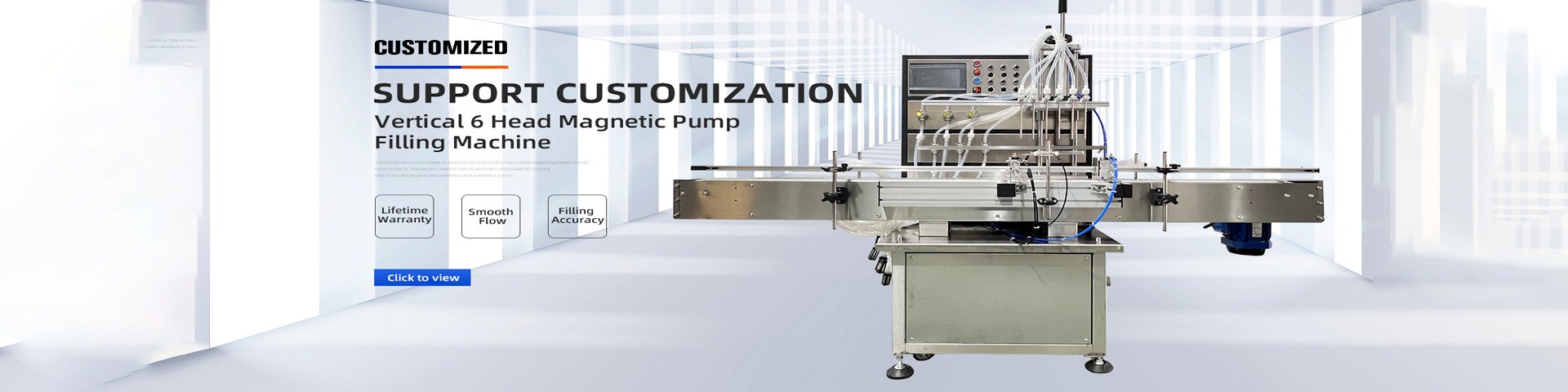
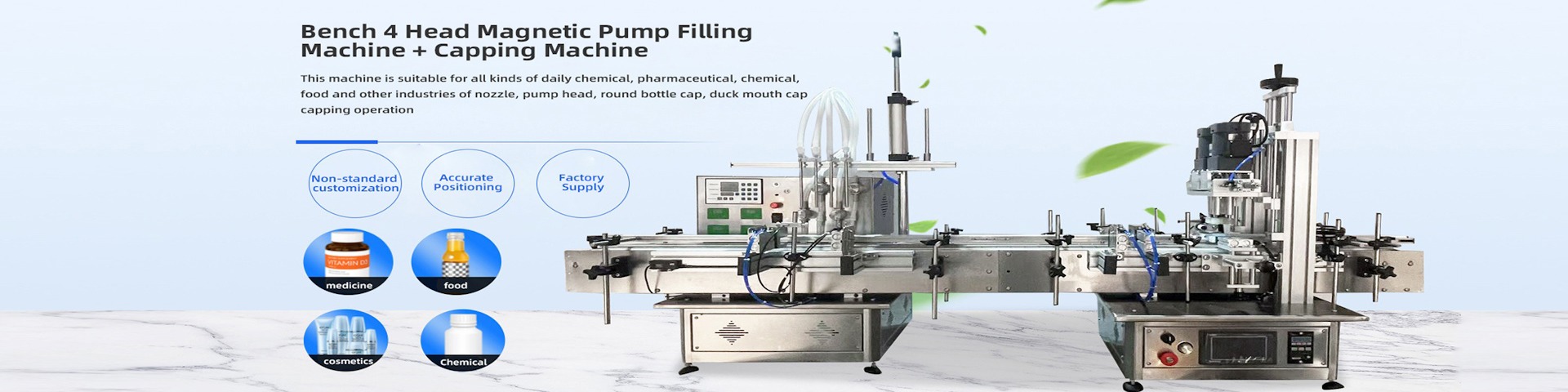


В современном мире пищевая промышленность сталкивается с беспрецедентными вызовами: растущий спрос на качественные продукты, ужесточение норм безопасности, необходимость снижения затрат и повышения эффективности. В ответ на эти вызовы умные пищевые линии emerge как ключевое решение, способное трансформировать ваш бизнес. Эта статья погрузит вас в мир инноваций, объясняя, как интегрированные технологии, такие как автоматизация, Интернет вещей (IoT), искусственный интеллект (AI) и роботизация, могут создать умную пищевую линию, которая не только оптимизирует производство, но и открывает новые возможности для роста и конкурентоспособности.
Введение в умные пищевые линии
Умная пищевая линия — это интегрированная система, которая использует передовые технологии для автоматизации и оптимизации всех этапов пищевого производства, от сырья до готовой продукции. В отличие от традиционных линий, которые rely на ручной труд и базовую механизацию, умные линии incorporate датчики, программное обеспечение и сети связи для обеспечения реального мониторинга, прогнозирования и адаптации. Это не просто модернизация оборудования; это полная трансформация бизнес-процессов, leading к повышению эффективности, снижению отходов и улучшению качества продукции.
Исторически, пищевая промышленность развивалась от ручного труда к механизации в XX веке, но с advent цифровой эры, умные технологии стали game-changer. Сегодня, с rapid advancements в IoT и AI, businesses могут внедрять решения, которые были немыслимы всего десятилетие назад. Например, умные линии могут automatically adjust параметры производства based на данных о качестве сырья или predict maintenance needs до возникновения сбоев.
Why это важно для вашего бизнеса? Просто: конкуренция в пищевом секторе fierce, и потребители demand更高的标准 качества и sustainability. Умные линии позволяют не только meet эти expectations, но и exceed их, создавая устойчивое competitive advantage. Кроме того, с growing focus на пищевую безопасность (e.g., regulations like HACCP и FSMA), automation reduces human error и enhances traceability, что критически важно для compliance и репутации.
Ключевые технологии в умных пищевых линиях
Чтобы понять, как умная пищевая линия works, необходимо разобрать core technologies, которые её составляют. Эти технологии synergistically combine to create a seamless, efficient, and intelligent production environment.
Автоматизация и роботизация
Автоматизация — это foundation умных линий. Она involves использование машин и控制系统 для выполнения tasks без human intervention. В пищевой промышленности, automation может range от simple conveyor belts до complex robotic arms, которые handle упаковку, сортировку, и даже cooking processes. Роботизация, как subset automation, использует robots для tasks, требующих precision и speed, таких как palletizing или inspection.
Benefits автоматизации include увеличение throughput, consistency в quality, и reduction labor costs. Например, automated filling machines могут accurately fill containers с минимальными отклонениями, reducing waste и improving customer satisfaction. Moreover, robots могут operate 24/7, increasing overall equipment effectiveness (OEE).
Реальные примеры: компании like Nestlé и Coca-Cola extensively use robotics в своих линиях для bottling и packaging, achieving significant efficiency gains. Внедрение requires investment в equipment и integration, но ROI often substantial due to long-term savings и improved scalability.
Интернет вещей (IoT) и сенсоры
IoT refers к сети interconnected devices, которые collect и exchange data. В умных пищевых линиях, IoT sensors are deployed throughout the production process to monitor various parameters, such as temperature, humidity, pressure, and flow rates. These sensors provide real-time data, which is transmitted to central systems for analysis and action.
Key applications: temperature sensors в холодильных units ensure food safety by preventing spoilage; flow sensors в piping systems monitor ingredient usage и detect leaks; и vision sensors inspect products for defects. Данные от IoT devices enable predictive maintenance, where systems alert operators о potential failures before they occur, minimizing downtime.
Advantages: enhanced visibility into operations, improved decision-making, и reduced risk of recalls. For instance, если sensor detects anomaly в product quality, line can be automatically stopped to prevent further issues, saving costs и protecting brand reputation.
Искусственный интеллект (AI) и машинное обучение
AI и machine learning (ML) bring intelligence к умным линиям, allowing them to learn from data и make autonomous decisions. AI algorithms can analyze vast amounts of data from IoT sensors to optimize processes, predict outcomes, и even suggest improvements.
Examples: AI-powered systems can optimize recipe formulations based on raw material quality, adjust cooking times for energy efficiency, или classify products using image recognition. ML models can forecast demand, helping with inventory management и reducing overproduction.
Impact: AI drives personalization и innovation. For example, businesses can use AI to develop new products tailored to consumer preferences или improve sustainability by minimizing resource usage. Challenges include data privacy и initial setup costs, но benefits in agility и competitiveness are immense.
Большие данные и аналитика
Big data analytics involves processing large datasets to extract insights. In smart food lines, data from various sources—sensors, ERP systems, customer feedback—is aggregated and analyzed to identify patterns, trends, and inefficiencies.
Use cases: analytics can reveal bottlenecks in production, correlate quality issues with specific parameters, или optimize supply chain logistics. Tools like dashboards provide visual representations of KPIs, enabling managers to make data-driven decisions.
Value: improved operational efficiency, better resource allocation, и enhanced customer insights. By leveraging analytics, businesses can continuously refine their processes и stay ahead of market changes.
Киберфизические системы и цифровые двойники
Cyber-physical systems integrate computation, networking, и physical processes. Digital twins—virtual replicas of physical assets—allow for simulation и testing without disrupting actual operations. In food lines, digital twins can model production scenarios, predict outcomes, и optimize setups before implementation.
Benefits: reduced risk during changes, faster innovation, и improved training. For instance, a digital twin of a packaging line can simulate different speeds configurations to find the optimal balance between speed и quality.
Преимущества умных пищевых линий для бизнеса
Внедрение умной пищевой линии offers multitude of benefits that can transform your business operations и profitability.
Повышение эффективности и производительности
Умные линии automate repetitive tasks, reduce cycle times, и minimize human error, leading to higher output with same or fewer resources. Real-time monitoring ensures that equipment operates at peak efficiency, and predictive maintenance prevents unexpected breakdowns. Studies show that automation can increase productivity by up to 30% in food manufacturing.
Снижение затрат и отходов
By optimizing resource usage—raw materials, energy, labor—smart lines reduce operational costs. IoT sensors help in precise ingredient dosing, minimizing waste, while AI optimizes energy consumption. Additionally, reduced downtime and lower maintenance costs contribute to significant savings. For example, companies report up to 20% reduction in waste through smart technologies.
Улучшение качества и безопасности продукции
Consistent automation ensures uniform product quality, meeting strict standards. IoT and AI enable continuous monitoring for contaminants or deviations, enhancing food safety. Traceability systems allow quick recalls if needed, protecting consumers and brand integrity. This is crucial in an era where food safety incidents can lead to massive financial and reputational damage.
Гибкость и адаптивность
Smart lines are easily reconfigurable to handle different products or batch sizes, supporting customization and quick response to market demands. Digital twins and AI facilitate rapid prototyping and changeovers, reducing time-to-market for new products.
Устойчивость и экологичность
Optimization of resources reduces environmental impact—less energy consumption, lower emissions, and minimized waste. Smart technologies support circular economy practices, such as recycling and reuse, aligning with growing consumer and regulatory pressures for sustainability.
Улучшение условий труда и безопасности персонала
Automation takes over dangerous or monotonous tasks, reducing workplace injuries and improving employee satisfaction. Workers can focus on higher-value activities like supervision and innovation, leading to a more engaged workforce.
Практические шаги по внедрению умной пищевой линии
Transitioning to a smart food line requires careful planning and execution. Here’s a step-by-step guide to help you navigate the process.
Оценка текущего состояния и определение целей
Start by assessing your existing infrastructure, processes, and pain points. Identify specific goals: e.g., increase efficiency by 15%, reduce waste by 10%, or improve product quality. Engage stakeholders from production, IT, and management to ensure alignment.
Выбор технологий и поставщиков
Research and select technologies that fit your needs. Consider factors like scalability, compatibility with existing systems, and vendor support. Pilot projects can help test solutions before full-scale implementation. Look for partners with experience in food industry applications.
Разработка плана внедрения и интеграции
Create a detailed project plan with timelines, budgets, and milestones. Ensure integration with current ERP and MES systems for seamless data flow. Phase the implementation to minimize disruption—start with critical areas like packaging or quality control.
Обучение персонала и управление изменениями
Train employees on new technologies and processes. Address resistance to change through communication and involvement. Empower staff to use data and tools effectively, fostering a culture of continuous improvement.
Мониторинг и оптимизация
After implementation, continuously monitor performance using KPIs. Use analytics to identify areas for further optimization. Regularly update systems and processes based on feedback and technological advancements.
Примеры успешного внедрения и case studies
Real-world examples illustrate the transformative power of smart food lines.
Кейс 1: Крупный производитель молочных продуктов
A dairy company implemented IoT sensors and AI to monitor pasteurization processes. Results: 25% reduction in energy costs, 15% increase in output, and zero safety incidents due to real-time alerts. The system automatically adjusts temperatures based on milk quality, ensuring consistent product.
Кейс 2: Пекарня среднего размера
A bakery adopted robotic arms for packaging and AI for demand forecasting. Outcomes: labor costs decreased by 30%, waste reduced by 20%, and customer satisfaction improved due to fresher products. The digital twin allowed testing new recipes virtually, speeding up innovation.
Кейс 3: Глобальная сеть fast-food
A fast-food chain integrated smart lines across locations for uniform cooking and packaging. Benefits: standardized quality worldwide, reduced training time, and enhanced traceability for supply chain transparency. This strengthened their brand and compliance with international standards.
Будущие тренды и инновации
The evolution of smart food lines is ongoing, with emerging trends set to further revolutionize the industry.
Расширенное использование AI и автономных систем
Future lines will feature more autonomous decision-making, with AI handling complex optimizations without human input. For example, self-healing systems that automatically rectify issues.
Блокчейн для повышенной traceability
Blockchain technology will enhance transparency in supply chains, allowing consumers to trace products from farm to fork, boosting trust and sustainability.
3D печать еды и персонализация
Additive manufacturing will enable customized food products based on individual dietary needs, opening new markets and reducing waste.
Интеграция с умными городами и устойчивыми практиками
Smart lines will connect with broader urban infrastructures for resource sharing and waste management, promoting circular economy models.
Заключение: Преобразуйте свой бизнес с умной пищевой линией
Умная пищевая линия — это не просто технологическая upgrade; это стратегическое imperative для любого бизнеса в пищевой промышленности, стремящегося thrive в competitive и dynamic market. By embracing automation, IoT, AI, и другие инновации, вы можете добиться unparalleled efficiency, quality, и sustainability. Начните с оценки ваших needs, invest в right technologies, и foster culture innovation. Future belongs to those who adapt—make your business smart today для success tomorrow.
Для дальнейшего обсуждения или consultation, свяжитесь с experts в field. Вместе мы можем построить brighter future для пищевой индустрии.
