



В современном мире пищевая промышленность сталкивается с беспрецедентными вызовами: растущий спрос на продукты питания, ужесточение экологических норм, необходимость снижения затрат и повышения качества. На этом фоне эффективные пищевые аппараты emerge as a game-changer, кардинально трансформируя производственные процессы и открывая новые горизонты для индустрии. Эта статья delves deep into how these innovations are reshaping the landscape, offering insights, data, and real-world examples to illustrate their monumental impact.
Введение в эру автоматизации пищевой промышленности
Пищевая промышленность традиционно была labor-intensive, с высокой зависимостью от ручного труда. Однако с advent of advanced machinery, мы witnessing a paradigm shift. Эффективные пищевые аппараты, такие как automated processing lines, robotic arms, and intelligent control systems, not only enhance productivity but also ensure consistency and safety. For instance, компания like Tetra Pak has revolutionized packaging with aseptic technology, reducing waste and extending shelf life. This section explores the historical context and the driving forces behind this transformation, including technological advancements, consumer demands, and regulatory pressures.
Ключевые типы пищевых аппаратов и их функции
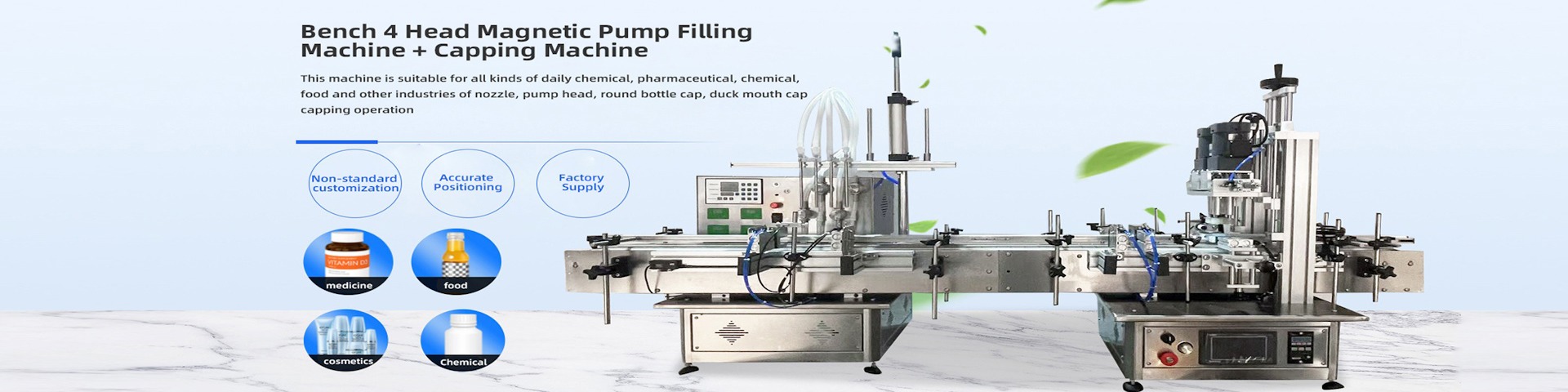
Разнообразие пищевых аппаратов astounding, each tailored to specific tasks. From mixers and extruders to pasteurizers and packaging machines, these devices are designed to optimize every stage of production. Take, for example, высокоскоростные filling machines that can handle thousands of units per hour with precision, minimizing errors and maximizing output. In baking, automated ovens with precise temperature control ensure uniform quality, while in dairy industry, separators and homogenizers improve product texture and safety. This part provides an in-depth look at various types of apparatus, their functionalities, and how they integrate into production lines to create seamless workflows.
Преимущества внедрения эффективных аппаратов
Внедрение современных пищевых аппаратов brings a multitude of benefits. Firstly, it significantly boosts efficiency by reducing processing time and labor costs. Studies show that automated systems can increase production capacity by up to 50% while lowering operational expenses. Secondly, it enhances product quality through precise control over parameters like temperature, pressure, and mixing, leading to fewer defects and higher customer satisfaction. Additionally, these machines improve safety by minimizing human contact with food, reducing contamination risks. Environmental benefits are also notable, as energy-efficient designs and waste reduction features contribute to sustainability. This section elaborates on these advantages with statistical data and case studies from leading companies.
Инновационные технологии в пищевых аппаратах
Технологический прогресс continuously pushes the boundaries of what food apparatus can achieve. Internet of Things (IoT) enabled devices allow for real-time monitoring and predictive maintenance, preventing downtime and optimizing performance. Artificial intelligence (AI) is being used for quality control, with vision systems detecting imperfections that human eyes might miss. Moreover, 3D printing is emerging for custom food production, offering personalized nutrition solutions. Renewable energy integration, such as solar-powered machines, is making operations greener. Here, we delve into cutting-edge innovations, their applications, and the future potential they hold for the industry.
Влияние на экономику и рынок
Эффективные пищевые аппараты not only transform production but also have profound economic implications. By reducing costs and increasing output, they make businesses more competitive in the global market. Small and medium enterprises (SMEs) can scale up operations without proportional increases in labor, fostering growth and innovation. On a macroeconomic level, this automation can lead to job displacement in some areas but creates new opportunities in tech maintenance and design. Market trends indicate a rising investment in food tech, with venture capital flowing into startups developing next-generation apparatus. This analysis covers the economic impact, including cost-benefit analyses, market growth projections, and societal effects.
Проблемы и решения при внедрении
Несмотря на преимущества, внедрение пищевых аппаратов comes with challenges. High initial investment can be a barrier for some companies, especially SMEs. There's also a learning curve associated with new technology, requiring training for staff. To address these, governments and industry bodies are offering subsidies and training programs. Leasing options and modular systems allow for gradual adoption. Cybersecurity is another concern, as connected devices are vulnerable to attacks; robust security measures are essential. This section discusses common obstacles and practical solutions, drawing from expert opinions and successful implementation stories.
Будущее пищевой промышленности с умными аппаратами
Looking ahead, the future of food production is inextricably linked with smart apparatus. We can expect further integration of AI and machine learning for autonomous decision-making, leading to fully automated "lights-out" factories. Sustainability will be a key focus, with apparatus designed for circular economy principles, such as zero waste and energy neutrality. Personalized nutrition will become mainstream, with аппараты tailoring products to individual health needs. Collaboration between tech companies and food producers will drive innovation, potentially addressing global food security issues. This forward-looking segment explores predictions and trends, emphasizing the long-term transformational effects.
Заключение: Необратимая трансформация
В заключение, effective food apparatus are not just tools; they are catalysts for a permanent revolution in production. By embracing these technologies, the food industry can achieve unprecedented levels of efficiency, quality, and sustainability. While challenges exist, the benefits far outweigh them, paving the way for a brighter, more resilient future. Companies that invest in these innovations today will lead the charge tomorrow, shaping an industry that is smarter, greener, and more responsive to consumer needs. The transformation is here to stay, and it's time for all stakeholders to get on board.
Ключевые выводы:
- Эффективные пищевые аппараты drastically improve production efficiency and reduce costs.
- Innovations like IoT and AI are driving smarter, more sustainable operations.
- Adoption challenges can be overcome with strategic planning and support.
- The future holds even greater integration and personalization in food production.
Спасибо за чтение! Оставайтесь в курсе инноваций в пищевой промышленности.
