


В современной промышленности прессы играют ключевую роль, обеспечивая высокую производительность, точность и надежность в различных процессах, таких как штамповка, ковка, прессование и сборка. Выбор правильного пресса не только влияет на эффективность производства, но и определяет долговечность оборудования, что в конечном итоге сказывается на рентабельности предприятия. В этой статье мы подробно рассмотрим преимущества прессов, ключевые аспекты выбора подходящего агрегата, а также практические советы по обеспечению эффективной работы и длительного срока службы. Мы охватим различные типы прессов, их применение, технические характеристики и лучшие практики эксплуатации, чтобы помочь вам сделать информированное решение.
1. Введение в мир прессов: Основные понятия и исторический контекст
Прессы — это машины, которые используют силу для деформации материалов, таких как металлы, пластмассы или композиты, через сжатие или удар. Их история восходит к древним временам, когда простые ручные прессы использовались для изготовления монет или обработки сельскохозяйственных продуктов. С развитием промышленной революции в XVIII и XIX веках прессы эволюционировали в сложные механические и гидравлические системы, способные выполнять задачи с высокой точностью и скоростью. Сегодня прессы являются неотъемлемой частью многих отраслей, включая автомобилестроение, аэрокосмическую промышленность, строительство и производство потребительских товаров. Их преимущества включают повышение производительности, снижение затрат на труд, улучшение качества продукции и возможность автоматизации процессов. Однако, чтобы полностью реализовать эти преимущества, необходимо тщательно подходить к выбору пресса, учитывая специфические потребности производства, бюджетные ограничения и долгосрочные цели.
2. Основные типы прессов и их преимущества
Существует несколько основных типов прессов, каждый из которых обладает уникальными преимуществами и подходит для определенных применений. Понимание этих типов поможет вам сузить выбор и найти оптимальное решение для ваших задач.
2.1. Гидравлические прессы
Гидравлические прессы используют жидкость под высоким давлением для генерации силы. Они известны своей способностью создавать огромное усилие (до нескольких тысяч тонн) и обеспечивать плавное, контролируемое движение. Преимущества гидравлических прессов включают высокую точность, возможность регулировки силы и скорости, а также надежность в тяжелых условиях. Они идеальны для процессов, требующих постоянного давления, таких как штамповка глубокой вытяжки или прессование порошковых материалов. Однако гидравлические прессы могут быть более сложными в обслуживании из-за гидравлических систем, которые требуют регулярной проверки жидкостей и уплотнений.
2.2. Механические прессы
Механические прессы используют механические linkages, такие как кривошипно-шатунные механизмы, для преобразования вращательного движения в линейное. Они typically более быстрые и энергоэффективные compared to гидравлическим прессам, making them suitable for high-speed operations like blanking or piercing. Преимущества механических прессов включают простоту конструкции, низкие эксплуатационные расходы и высокую скорость цикла. Они often used in mass production environments where speed is critical. Однако, механические прессы may have limited force control and can be less versatile for applications requiring variable pressure.
2.3. Пневматические прессы
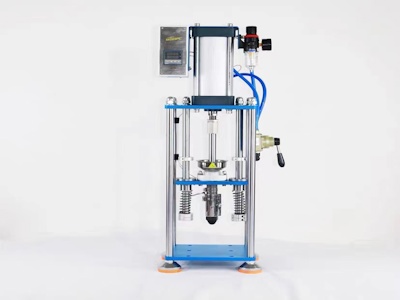
Пневматические прессы используют сжатый air для генерации силы. Они lightweight, compact, and easy to operate, making them ideal for light-duty applications such as assembly, clamping, or small-scale forming. Преимущества пневматических прессов включают низкую стоимость, простоту установки и быстроту действия. Они often used in workshops or laboratories where space is limited. Однако, их сила ограничена (usually up to a few tons), and они may not be suitable for heavy-duty tasks.
2.4. Servo прессы
Servo прессы are a modern innovation that use servo motors for precise control of force, speed, and position. Они combine the benefits of hydraulic and mechanical presses, offering high flexibility, energy efficiency, and accuracy. Преимущества servo прессов include programmable settings, reduced noise, and lower energy consumption. Они ideal for applications requiring complex forming operations or where product quality is paramount. Однако, они can be more expensive initially and may require specialized knowledge for programming and maintenance.
2.5. Сравнительная таблица типов прессов
Чтобы обобщить, вот сравнительная таблица, highlighting key advantages of each type:
| Тип пресса | Преимущества | Недостатки | Лучшие применения |
|---|---|---|---|
| Гидравлический | Высокая сила, плавное control | Сложное обслуживание | Штамповка, ковка |
| Механический | Высокая скорость, low cost | Ограниченный control | Mass production, blanking |
| Пневматический | Легкий, простой | Низкая сила | Light assembly, clamping |
| Servo | Точность, энергоэффективность | Высокая стоимость | Complex forming, high-quality products |
Выбор типа пресса зависит от ваших specific requirements. For example, if you need high force for metal forming, a hydraulic press might be best. If speed is crucial for production lines, a mechanical press could be more suitable. Always consider the material being processed, the desired output quality, and the operational environment.
3. Ключевые факторы выбора подходящего пресса
Выбор пресса — это комплексный процесс, который требует учета множества факторов. Неправильный выбор может lead to inefficiencies, increased downtime, or even safety hazards. Here, we outline the critical aspects to consider when selecting a press for effective and long-term use.
3.1. Определение требований к силе и capacity
Первым шагом является оценка необходимой силы прессования. Это зависит от material properties (e.g., hardness, thickness) and the specific operation (e.g., forging requires higher force than bending). Calculate the tonnage needed using formulas or consult with engineers. Overestimating force can lead to unnecessary costs, while underestimating can cause equipment failure. Additionally, consider the bed size and daylight (open height) of the press to ensure it can accommodate your workpieces.
3.2. Скорость и производительность
Скорость пресса affects production rates. Mechanical presses typically offer higher strokes per minute (SPM) than hydraulic ones. Evaluate your production volume: for high-volume runs, a faster press may be preferable, but for precision work, slower, controlled speeds are better. Also, consider the cycle time, including loading and unloading, to optimize overall efficiency.
3.3. Точность и контроль
Точность crucial for applications like fine blanking or assembly. Look for presses with features like CNC control, feedback systems, or servo drives that allow precise adjustment of parameters. Hydraulic and servo presses often provide better control over force and position compared to mechanical ones. Ensure the press can maintain consistency over long periods to avoid defects in products.
3.4. Энергоэффективность и эксплуатационные расходы
Энергопотребление can be a significant cost over time. Hydraulic presses may consume more energy due to pumps, while mechanical and servo presses are generally more efficient. Consider the total cost of ownership, including maintenance, spare parts, and energy bills. Servo presses, though expensive upfront, can save money in the long run through reduced energy use and lower maintenance needs.
3.5. Безопасность и соответствие стандартам
Safety should never be compromised. Choose presses with built-in safety features such as guards, emergency stops, and light curtains. Ensure compliance with industry standards like OSHA or EU directives. Regular training for operators is essential to prevent accidents. A safe press not only protects workers but also reduces downtime caused by incidents.
3.6. Совместимость и интеграция
Consider how the press will integrate with existing equipment or automation systems. For automated lines, look for presses that support robotics or PLC control. Compatibility with tooling and dies is also important; ensure the press can handle standard or custom tooling without modifications.
3.7. Бюджет и рентабельность
Set a realistic budget that includes not only the purchase price but also installation, training, and future maintenance costs. While it might be tempting to go for the cheapest option, investing in a higher-quality press can pay off through longer lifespan and better performance. Evaluate the return on investment (ROI) based on increased productivity and reduced waste.
3.8. Пример из практики: Выбор пресса для automotive industry
In the automotive sector, presses are used for stamping body panels. A company might choose a hydraulic press for its ability to apply consistent force over large areas, ensuring precise forming of steel sheets. They would consider factors like tonnage (e.g., 1000 tons for door panels), speed (moderate for quality), and integration with conveyor systems. By selecting a press with advanced control systems, they can achieve high efficiency and minimal scrap rates.
4. Обеспечение эффективной работы пресса
Once you have selected the right press, optimizing its performance is key to maximizing efficiency. This involves proper setup, operation, and monitoring.
4.1. Правильная установка и calibration
Ensure the press is installed on a stable foundation to prevent vibrations that can affect accuracy. Calibrate the force and position sensors regularly to maintain precision. Follow the manufacturer's guidelines for initial setup, including alignment of dies and tooling.
4.2. Оптимизация процессов
Use simulation software or trial runs to optimize pressing parameters such as force, speed, and dwell time. This can reduce cycle times and improve product quality. Implement lean manufacturing principles to minimize waste and streamline operations.
4.3. Обучение операторов
Well-trained operators are essential for efficient press operation. Provide comprehensive training on safe practices, routine checks, and troubleshooting. Encourage operators to report any issues promptly to prevent minor problems from escalating.
4.4. Мониторинг и техническое обслуживание
Implement a preventive maintenance schedule that includes regular inspections, lubrication, and replacement of wear parts. Use condition monitoring tools like vibration analysis or oil analysis to detect potential failures early. Keep detailed records of maintenance activities to track performance and plan for upgrades.
4.5. Использование технологий Industry 4.0
Integrate IoT sensors and data analytics to monitor press performance in real-time. This can provide insights into efficiency trends, predict maintenance needs, and enable remote diagnostics. For example, a smart press might alert you when force deviations occur, allowing quick adjustments.
5. Стратегии для долгосрочного использования и увеличения срока службы
To ensure your press serves you for years to come, focus on longevity through proper care and strategic planning.
5.1. Регулярное техническое обслуживание
Adhere to a strict maintenance regimen. For hydraulic presses, change fluids and filters as recommended; for mechanical presses, inspect linkages and bearings. Schedule downtime for major overhauls to replace worn components before they fail.
5.2. Управление износом
Use high-quality tooling and dies that match the press's specifications. Implement practices like proper lubrication and alignment to reduce wear on critical parts. Consider upgrading to more durable materials or coatings for components subject to high stress.
5.3. Адаптация к changing needs
As your production requirements evolve, be prepared to retrofit or upgrade your press. This might involve adding new controls, enhancing safety features, or integrating with advanced automation. Regular assessments can help identify when upgrades are needed to maintain competitiveness.
5.4. Экономия энергии и устойчивость
Implement energy-saving measures, such as using variable frequency drives (VFDs) on hydraulic pumps or opting for servo technology.这不仅 снижает operational costs but also extends the life of the press by reducing thermal stress and mechanical fatigue.
5.5. Резервное копирование и планирование замены
Have a contingency plan for press failures, including spare parts inventory or backup equipment. Plan for eventual replacement by setting aside funds and staying informed about new technologies that might offer better performance in the future.
6. Заключение: Инвестируйте с умом для успеха
Выбор и использование пресса — это стратегическое решение, которое может significantly impact your business's efficiency and profitability. By understanding the advantages of different press types, carefully evaluating selection factors, and implementing best practices for operation and maintenance, you can ensure that your press delivers effective performance and long-term reliability. Remember, the goal is not just to buy a machine, but to invest in a solution that grows with your needs. Start by assessing your current requirements, consult with experts if needed, and make a choice that balances cost, performance, and future-proofing. With the right approach, your press will be a valuable asset for years to come.
Для дальнейшей информации, обратитесь к производителям или специалистам в отрасли, и всегда проводите тестовые runs before finalizing your decision. Удачи в вашем выборе!
