


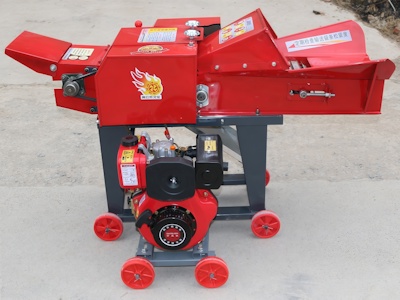
В современном мире бизнеса, особенно в таких отраслях, как пищевая промышленность, фармацевтика, химическая и сельскохозяйственная, измельчительное оборудование играет ключевую роль. Мельницы для измельчения используются для переработки сырья в мелкие частицы, что необходимо для производства конечных продуктов высокого качества. Однако стоимость такого оборудования может быть значительной, и многие предприятия сталкиваются с дилеммой: как снизить затраты без ущерба для эффективности? Ответ часто кроется в оптовых закупках. В этой статье мы подробно рассмотрим, почему оптовые закупки мельниц для измельчения предлагают выгодные цены, и обсудим стратегические аспекты этого подхода, включая экономические выгоды, факторы качества, выбор поставщиков и практические рекомендации.
Введение в тему: почему оптовые закупки актуальны
Оптовые закупки – это практика приобретения товаров в больших объемах, обычно по сниженным ценам. Для промышленного оборудования, такого как мельницы для измельчения, это может привести к существенной экономии. Во-первых, производители и поставщики часто предлагают скидки за объем, поскольку большие заказы снижают их затраты на логистику и производство. Во-вторых, оптовые покупки позволяют предприятиям стандартизировать оборудование, что упрощает обслуживание и снижает затраты на запасные части. В-третьих, в условиях глобальной конкуренции, доступ к выгодным ценам через опт может быть критически важен для поддержания рентабельности бизнеса.
Например, в пищевой промышленности измельчительные мельницы используются для переработки зерна, специй или других ингредиентов. Закупка одной мельницы может обойтись в десятки тысяч долларов, но при оптовом заказе цена за единицу может снизиться на 10-20%. Это не только прямые сбережения, но и возможность инвестировать в более современное или дополнительное оборудование. Кроме того, оптовые закупки часто включают дополнительные услуги, такие как гарантийное обслуживание или обучение персонала, что еще больше повышает ценность.
Однако оптовые закупки требуют тщательного планирования. Предприятия должны учитывать свои текущие и будущие потребности, бюджетные ограничения и рыночные условия. Неправильный подход может привести к избытку оборудования или приобретению некачественных машин. Поэтому в этой статье мы углубимся в детали, чтобы помочь вам принять обоснованное решение.
Экономические выгоды оптовых закупок
Экономия затрат – очевидное преимущество оптовых закупок. При покупке мельниц для измельчения оптом, предприятия могут negotiate更低кие цены с поставщиками. Это связано с economies of scale: производители снижают удельные затраты при больших объемах производства, и часть этой экономии передается покупателю. Например, если розничная цена мельницы составляет 50,000 рублей, оптовая цена за 10 единиц может быть 45,000 рублей за штуку, что сэкономит 50,000 рублей на общем заказе.
Кроме того, оптовые закупки снижают транзакционные издержки. Вместо многократных покупок и переговоров, одна крупная сделка упрощает процесс, экономя время и ресурсы на логистике, документации и управлении закупками. Это особенно важно для средних и крупных предприятий, где закупочные отделы могут сосредоточиться на других стратегических задачах.
Долгосрочная экономия также значительна. Стандартизация оборудования через оптовые закупки позволяет унифицировать запасные части и обучение персонала, снижая операционные расходы в будущем. Например, если все мельницы в цехе одинаковы, техническое обслуживание становится проще и дешевле, так как механикам не нужно изучать multiple модели.
Однако экономические выгоды не ограничиваются прямой экономией. Оптовые закупки могут улучшить cash flow management. Закупив оборудование оптом по низкой цене, предприятие может быстрее окупить инвестиции за счет increased productivity или продажи излишков. В некоторых cases, оптовые покупки даже открывают доступ к financing options, таким как рассрочка или лизинг, которые более выгодны при крупных сделках.
Чтобы максимизировать экономические выгоды, предприятия должны проводить тщательный анализ затрат. Это включает сравнение цен от разных поставщиков, учет скрытых затрат (например, доставка и установка), и оценку общей стоимости владения (TCO). TCO учитывает не только первоначальную покупку, но и эксплуатационные расходы, такие как энергопотребление, maintenance, и срок службы оборудования.
Факторы качества при выборе мельниц
Хотя цена важна, качество оборудования не должно compromises. Низкокачественные мельницы могут привести к frequent breakdowns, низкой производительности, и даже安全问题, что в конечном итоге обойдется дороже. При оптовых закупках особенно важно убедиться, что все единицы соответствуют высоким стандартам.
Ключевые факторы качества включают materials of construction. Мельницы для измельчения often работают в abrasive or corrosive environments, поэтому они должны быть изготовлены из durable materials, таких как нержавеющая сталь или specialized alloys. Кроме того, design and engineering играют crucial role. Modern мельницы могут иметь features like automatic controls, energy-efficient motors, and easy-cleaning mechanisms, которые improve efficiency and reduce downtime.
Another aspect is performance metrics, such as capacity, particle size distribution, and energy consumption. Enterprises should test equipment before bulk purchases, perhaps through samples or pilot projects, to ensure it meets their specific needs. For instance, in the pharmaceutical industry, precise particle size is critical for drug efficacy, so mills must deliver consistent results.
Certifications and compliance with industry standards are also vital. Look for equipment that meets ISO, CE, or other relevant certifications, as this indicates adherence to safety and quality norms. Additionally, consider the reputation of the manufacturer. Established brands often provide better after-sales support, including warranties, spare parts availability, and technical assistance.
In bulk purchases, it's easier to negotiate quality assurances. Suppliers may offer extended warranties or performance guarantees for large orders. This reduces risk and provides peace of mind. However, enterprises must conduct due diligence, such as reading reviews, visiting manufacturing facilities, or consulting with industry experts.
Ultimately, balancing cost and quality requires a strategic approach. Don't opt for the cheapest option if it sacrifices reliability. Instead, aim for value—equipment that offers the best performance per unit cost. Bulk purchases can make high-quality mills more affordable, but only if chosen wisely.
Выбор поставщиков для оптовых закупок
Selecting the right supplier is critical for successful bulk purchases of grinding mills. A reliable supplier not only offers competitive prices but also ensures timely delivery, quality products, and excellent customer service. Here are some factors to consider when choosing a supplier.
First, evaluate the supplier's experience and track record. Look for companies with a history of supplying similar equipment to your industry. They will understand your specific requirements and potential challenges. For example, a supplier specializing in food-grade mills will be better equipped to handle hygiene standards than a general equipment vendor.
Second, assess their production capacity and logistics capabilities. Bulk orders require efficient manufacturing and shipping processes. Ensure the supplier can handle your order size without delays. Ask about lead times, shipping options, and incoterms (e.g., FOB or CIF) to avoid surprises.
Third, consider the supplier's after-sales support. This includes warranty terms, availability of spare parts, and technical support. In bulk purchases, you might negotiate a service contract that covers maintenance for all units, reducing long-term costs.
Fourth, compare multiple suppliers. Request quotes from several vendors and analyze them not just on price, but on overall value. Use a scoring system that weights factors like price (40%), quality (30%), delivery time (20%), and support (10%). This holistic approach helps in making an informed decision.
Fifth, leverage negotiations. Bulk purchases give you bargaining power. Discuss discounts, payment terms (e.g., installment payments), and additional services. For instance, you might ask for free training for your staff or extended warranty periods.
Lastly, build a long-term relationship with the supplier. Repeat business can lead to better deals and优先 treatment. However, always have a backup supplier to mitigate risks such as supply chain disruptions.
By carefully selecting suppliers, enterprises can ensure that their bulk purchase of grinding mills is not only cost-effective but also reliable and sustainable.
Практические рекомендации для предприятий
Implementing bulk purchases requires careful planning and execution. Here are some practical tips for enterprises looking to buy grinding mills in bulk at advantageous prices.
Start with a needs assessment. Determine how many mills you need based on current and projected production volumes. Overbuying can tie up capital, while underbuying may lead to shortages. Use forecasting tools and consult with production teams to estimate demand accurately.
Next, set a budget. Include not only the purchase price but also ancillary costs like installation, training, and maintenance. Allocate funds for contingencies, as unexpected issues may arise.
Then, conduct market research. Identify potential suppliers, attend trade shows, and read industry reports to stay updated on the latest technologies and pricing trends. This helps in negotiating better deals.
When ready to purchase, issue a request for proposal (RFP) to shortlisted suppliers. The RFP should detail your requirements, including specifications, quantity, delivery timeline, and payment terms. Evaluate responses based on the criteria discussed earlier.
Before finalizing the deal, inspect samples or visit the supplier's facility if possible. Test the equipment to ensure it meets your standards. This step is crucial for avoiding disappointments later.
After purchase, focus on logistics. Coordinate delivery and installation to minimize disruption to operations. Train your staff on how to operate and maintain the new equipment efficiently.
Monitor performance post-purchase. Track key metrics like uptime, energy consumption, and maintenance costs. This data can help in future purchases and optimizing usage.
Finally, consider sustainability. Opt for energy-efficient mills to reduce environmental impact and operating costs. Many modern mills come with green certifications, which can also enhance your company's image.
By following these steps, enterprises can maximize the benefits of bulk purchases and ensure a smooth integration of new equipment into their operations.
Заключение: будущее оптовых закупок в промышленности
В заключение, оптовые закупки мельниц для измельчения предлагают значительные выгоды,包括 экономия затрат, improved efficiency, and strategic advantages. Однако успех depends на careful planning, quality focus, and wise supplier selection. As industries evolve, trends like digitalization and automation may further enhance bulk purchasing through e-procurement platforms and data analytics.
Enterprises should embrace bulk purchases as a key strategy for growth and competitiveness. By doing so, they can not only save money but also invest in better equipment that drives innovation and productivity. Remember, the goal is not just to buy cheap, but to buy smart—ensuring that every investment contributes to long-term success.
In the future, we may see more collaborative purchasing among businesses, such as through consortiums, to achieve even greater economies of scale. Whatever the approach, the principles remain the same: prioritize value, maintain quality, and build strong partnerships.
Thank you for reading this in-depth discussion. We hope it provides valuable insights for your purchasing decisions. If you have any questions or need further assistance, feel free to reach out to industry experts or suppliers.
