

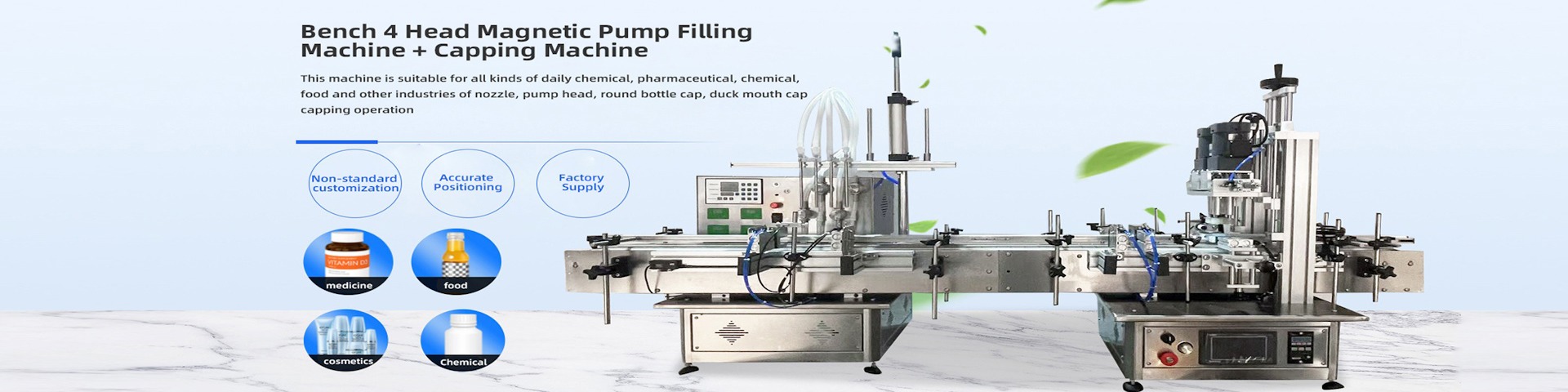


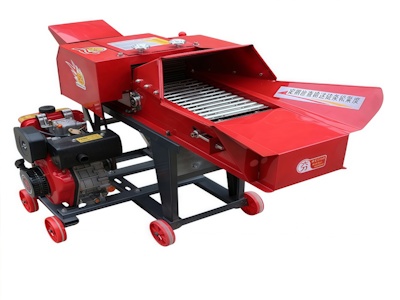
В современном мире бизнеса конкуренция достигает невиданных высот. Компании всех размеров стремятся найти способы не только выживать, но и процветать в быстро меняющейся экономической среде. Одним из ключевых инструментов, который позволяет достичь этого, является автоматизация систем. Автоматизация не просто упрощает рутинные задачи; она трансформирует весь бизнес-процесс, делая его более эффективным, масштабируемым и прибыльным. В этой статье мы подробно рассмотрим, как автоматизация систем способствует росту бизнеса и оптимизации процессов, а также предоставим практические рекомендации по её внедрению.
Что такое автоматизация систем?
Автоматизация систем — это использование технологий для выполнения задач с минимальным вмешательством человека. Это может включать в себя программное обеспечение, аппаратные средства или их комбинацию, предназначенные для управления и контроля различных бизнес-процессов. От простых задач, таких как отправка электронных писем, до сложных операций, таких как управление цепочками поставок, автоматизация охватывает широкий спектр деятельности.
Исторически автоматизация началась с промышленной революции, когда машины заменили ручной труд на фабриках. Сегодня, в эпоху цифровизации, автоматизация вышла за пределы производства и проникла во все сферы бизнеса, включая маркетинг, продажи, обслуживание клиентов и управление ресурсами. Современные системы автоматизации часто основаны на искусственном интеллекте (ИИ), машинном обучении и облачных вычислениях, что делает их более умными и адаптивными.
Основные типы автоматизации в бизнесе включают:
- Автоматизация процессов: Управление workflows, такими как утверждение документов или обработка заказов.
- Автоматизация маркетинга: Использование инструментов для автоматизации email-кампаний, социальных медиа и анализа данных.
- Автоматизация продаж: CRM-системы, которые автоматизируют отслеживание лидов и управление взаимоотношениями с клиентами.
- Автоматизация обслуживания: Чат-боты и системы поддержки, которые предоставляют мгновенные ответы клиентам.
- Автоматизация аналитики: Инструменты для сбора и анализа данных в реальном времени, помогающие принимать informed решения.
Автоматизация не означает полное исключение человека из процесса; вместо этого, она освобождает сотрудников от рутины, позволяя им сосредоточиться на более творческих и стратегических задачах. Это приводит к повышению производительности и удовлетворенности работой.
Преимущества автоматизации для роста бизнеса
Рост бизнеса — это цель, к которой стремится каждая компания. Автоматизация систем играет crucial роль в достижении этой цели, предоставляя numerous benefits. Вот некоторые из ключевых преимуществ:
1. Повышение эффективности и продуктивности
Одним из самых очевидных преимуществ автоматизации является увеличение efficiency. Когда задачи выполняются автоматически, они занимают меньше времени и resources. Например, автоматическая обработка заказов в e-commerce может сократить время выполнения с нескольких часов до минут. Это позволяет бизнесу обслуживать больше клиентов без увеличения штата.
Исследования показывают, что компании, внедряющие автоматизацию, могут повысить продуктивность на 20-30%. Это особенно важно для малого и среднего бизнеса, где каждый ресурс на счету. Автоматизация eliminates human error, что further enhances reliability and quality of output.
2. Сокращение затрат
Автоматизация помогает снизить operational costs. Замена ручного труда automated systems уменьшает need for large workforce, especially for repetitive tasks. Например, вместо hiring multiple data entry clerks, компания может использовать software для автоматического импорта данных.
Кроме того, автоматизация reduces costs associated with errors and rework. Inaccurate data entry or missed deadlines can lead to financial losses, but automated systems minimize these risks. Over time, the initial investment in automation technology pays off through sustained cost savings.
3. Улучшение масштабируемости
Для роста бизнеса essential быть able to scale operations quickly. Автоматизация makes scaling easier by allowing systems to handle increased workload without proportional increase in human resources. Например, cloud-based automation tools can easily accommodate growth from 100 to 10,000 customers without significant changes.
This scalability is crucial in today's dynamic market, where demand can fluctuate rapidly. Businesses that are not automated may struggle to keep up with growth, leading to missed opportunities.
4. Enhanced Customer Experience
Автоматизация directly impacts customer satisfaction. With tools like CRM and automated support systems, businesses can provide faster and more personalized service. For instance, automated responses to customer inquiries ensure that no query goes unanswered, even outside business hours.
Personalization is another key aspect. Automated marketing systems can analyze customer behavior and send tailored recommendations, increasing engagement and loyalty. A positive customer experience leads to higher retention rates and word-of-mouth referrals, driving business growth.
5. Data-Driven Decision Making
In the digital age, data is king. Автоматизация systems collect and analyze vast amounts of data in real-time, providing insights that inform strategic decisions. For example, automated analytics tools can identify trends in sales data, helping businesses optimize inventory or marketing strategies.
This data-driven approach reduces guesswork and enables more accurate forecasting. Businesses can anticipate market changes and adapt quickly, staying ahead of competitors.
6. Competitive Advantage
Companies that embrace automation gain a significant edge over those that rely on manual processes. Они can operate more efficiently, respond faster to market demands, and innovate continuously. This competitive advantage is essential for long-term growth and sustainability.
Moreover, automation frees up resources for innovation. Employees can focus on developing new products or services, rather than being bogged down by administrative tasks.
Оптимизация процессов через автоматизацию
Оптимизация процессов направлена на making business operations as efficient and effective as possible. Автоматизация is a powerful tool for achieving this goal. Let's explore how it optimizes various business processes.
1. Оптимизация workflow
Workflow automation streamlines the sequence of tasks in a process. For example, in a document approval process, automation can route documents to the right person based on predefined rules, reducing delays and bottlenecks. Tools like Microsoft Power Automate or Zapier allow businesses to create custom workflows without coding.
This optimization leads to faster turnaround times and reduced operational costs. Employees spend less time on coordination and more on value-added activities.
2. Управление ресурсами
Автоматизация helps in efficient resource management. ERP systems automate inventory tracking, procurement, and financial management, ensuring that resources are used optimally. For instance, automated reordering systems can prevent stockouts or overstocking, saving money and improving customer service.
In human resources, automation can handle payroll, attendance, and recruitment processes, reducing administrative burden and errors.
3. Маркетинг и продажи
Marketing automation tools like HubSpot or Marketo enable businesses to run targeted campaigns across multiple channels. Они automate email sequences, social media posting, and lead nurturing, ensuring consistent engagement with prospects.
In sales, CRM automation tracks customer interactions, schedules follow-ups, and generates reports. This optimization increases conversion rates and shortens sales cycles.
4. Обслуживание клиентов
Automated customer service systems, such as chatbots or IVR systems, provide instant support 24/7. Они handle common queries, freeing up human agents for complex issues. This not only improves response times but also reduces costs associated with customer support.
Additionally, automation can collect feedback automatically, helping businesses continuously improve their services.
5. Аналитика и отчетность
Automation in analytics involves tools that automatically gather data from various sources, clean it, and generate reports. This eliminates the need for manual data compilation, reducing the risk of errors and saving time.
Real-time dashboards provide executives with up-to-date insights, enabling quick decision-making. For example, automated financial reports can highlight trends and anomalies, aiding in budget management.
Практические примеры автоматизации
To illustrate the impact of automation, let's look at some real-world examples across different industries.
Пример 1: E-commerce
В e-commerce, автоматизация is ubiquitous. Online retailers use automated systems for order processing, inventory management, and customer communication. For instance, when a customer places an order, an automated system confirms the order, updates inventory, and triggers shipping—all without human intervention.
Marketing automation sends personalized emails based on purchase history, increasing repeat sales. Companies like Amazon have built their success on extensive automation, allowing them to handle millions of transactions daily.
Пример 2: Здравоохранение
In healthcare, automation improves patient care and administrative efficiency. Automated appointment scheduling systems reduce no-shows and optimize doctor schedules. Electronic health records (EHR) automate data entry and retrieval, enhancing accuracy and accessibility.
Robotic process automation (RPA) is used for claims processing, reducing errors and speeding up reimbursements. This not only saves costs but also improves patient satisfaction.
Пример 3: Финансовые услуги
Banks and financial institutions use automation for fraud detection, loan processing, and customer service. Automated algorithms analyze transactions in real-time to identify suspicious activities, preventing losses.
In investment, robo-advisors provide automated portfolio management, making financial advice accessible to more people at lower costs.
Пример 4: Производство
Manufacturing has long been a pioneer in automation. Robotics and IoT devices automate assembly lines, quality control, and logistics. This leads to higher production rates, better quality products, and reduced waste.
Predictive maintenance automation uses sensors to monitor equipment and schedule repairs before failures occur, minimizing downtime.
Пример 5: Образование
Educational institutions use automation for administrative tasks like enrollment, grading, and communication. Learning management systems (LMS) automate course delivery and assessment, providing a personalized learning experience.
Automation also facilitates online education, allowing schools to reach a global audience efficiently.
Как внедрить автоматизацию в ваш бизнес
Внедрение автоматизации requires careful planning and execution. Here is a step-by-step guide to help you get started.
Шаг 1: Assess Your Needs
Identify areas where automation can have the most impact. Conduct a process audit to pinpoint bottlenecks, repetitive tasks, and inefficiencies. Engage employees in this process, as they often have valuable insights into daily operations.
Prioritize processes based on potential ROI. Start with low-hanging fruit—tasks that are easy to automate and offer quick wins.
Шаг 2: Set Clear Goals
Define what you want to achieve with automation. Goals could include reducing costs by 15%, improving customer response times by 50%, or increasing sales by 20%. Make sure goals are Specific, Measurable, Achievable, Relevant, and Time-bound (SMART).
Having clear objectives will guide your technology selection and implementation strategy.
Шаг 3: Choose the Right Tools
Select automation tools that fit your business size, industry, and budget. There are numerous options available, from off-the-shelf software to custom solutions. Consider factors like scalability, integration capabilities, and user-friendliness.
Popular tools include:
- For CRM: Salesforce, HubSpot
- For marketing: Mailchimp, ActiveCampaign
- For workflow: Zapier, Microsoft Power Automate
- For analytics: Google Analytics, Tableau
Consult with IT experts or vendors to ensure the tools meet your requirements.
Шаг 4: Plan the Implementation
Develop a detailed implementation plan. This should include timelines, resource allocation, and risk mitigation strategies. Start with a pilot project in one department to test the waters and gather feedback.
Ensure that employees are trained on the new systems. Change management is crucial, as resistance to automation can hinder success. Communicate the benefits and provide support throughout the transition.
Шаг 5: Execute and Monitor
Roll out the automation gradually. Monitor performance closely using key performance indicators (KPIs) aligned with your goals. Collect data on efficiency gains, cost savings, and employee feedback.
Be prepared to make adjustments. Automation is not a one-time project but an ongoing process of improvement.
Шаг 6: Scale and Innovate
Once the initial implementation is successful, scale automation to other areas of the business. Continuously explore new technologies and trends, such as AI and machine learning, to further enhance automation.
Encourage a culture of innovation where employees suggest automation ideas. This fosters continuous improvement and keeps your business competitive.
Вызовы и как их преодолеть
While automation offers numerous benefits, it also comes with challenges. Understanding these challenges and how to address them is key to successful implementation.
1. Сопротивление изменению
Employees may fear that automation will replace their jobs. To overcome this, emphasize that automation is meant to augment human capabilities, not replace them. Provide training and reassignment opportunities for affected staff.
Involve employees in the automation process from the beginning to gain their buy-in and reduce anxiety.
2. Высокая initial стоимость
Investing in automation technology can be expensive. However, view it as a long-term investment. Start small with affordable tools and demonstrate quick wins to justify further spending.
Consider cloud-based solutions that offer subscription models, reducing upfront costs.
3. Сложность интеграции
Integrating new systems with existing infrastructure can be challenging. Choose tools with strong integration capabilities or seek expert help. APIs and middleware can facilitate seamless connectivity.
Plan integration carefully to avoid disruptions to ongoing operations.
4. Вопросы безопасности
Automation involves handling sensitive data, so security is paramount. Implement robust cybersecurity measures, such as encryption, access controls, and regular audits.
Ensure compliance with data protection regulations like GDPR or local laws to avoid legal issues.
5. Поддержание и обновление
Automation systems require ongoing maintenance and updates. Allocate resources for regular reviews and upgrades to keep systems efficient and secure.
Stay informed about technological advancements to leverage new features and improvements.
Будущее автоматизации
The future of automation is exciting and full of possibilities. Emerging technologies like artificial intelligence, machine learning, and the Internet of Things (IoT) are taking automation to new heights.
AI-powered automation can make systems more intelligent and adaptive. For example, predictive analytics can forecast demand with high accuracy, while natural language processing enables more sophisticated chatbots.
IoT devices will automate physical processes in real-time, from smart homes to industrial automation. This connectivity will create more integrated and efficient ecosystems.
As automation evolves, businesses will need to focus on upskilling employees to work alongside automated systems. The human touch will remain important for creativity, empathy, and strategic thinking.
In conclusion, automation is not just a trend but a necessity for modern businesses. It drives growth, optimizes processes, and provides a competitive edge. By embracing automation, companies can unlock new levels of efficiency and innovation.
Заключение
Автоматизация систем — это мощный катализатор для роста бизнеса и оптимизации процессов. Она предлагает многочисленные преимущества, включая повышение эффективности, сокращение затрат, улучшение масштабируемости и enhanced customer experience. Through practical examples and a step-by-step guide, we have shown how businesses can successfully implement automation.
While challenges exist, they can be overcome with careful planning and a proactive approach. The future of automation is bright, with advancements in AI and IoT set to revolutionize how businesses operate.
Now is the time to act. Assess your business needs, set clear goals, and start your automation journey. Remember, automation is not about replacing humans but empowering them to achieve more. Embrace the change, and watch your business thrive in the digital age.
If you need assistance with automation solutions, feel free to contact our experts. We offer customized consulting and implementation services to help you harness the full potential of automation for your business growth.
