
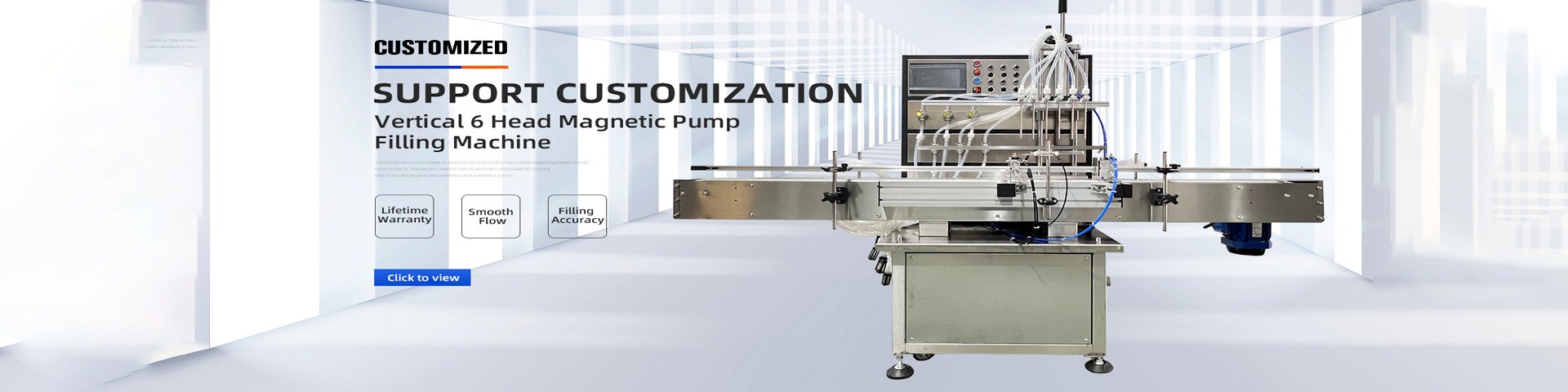
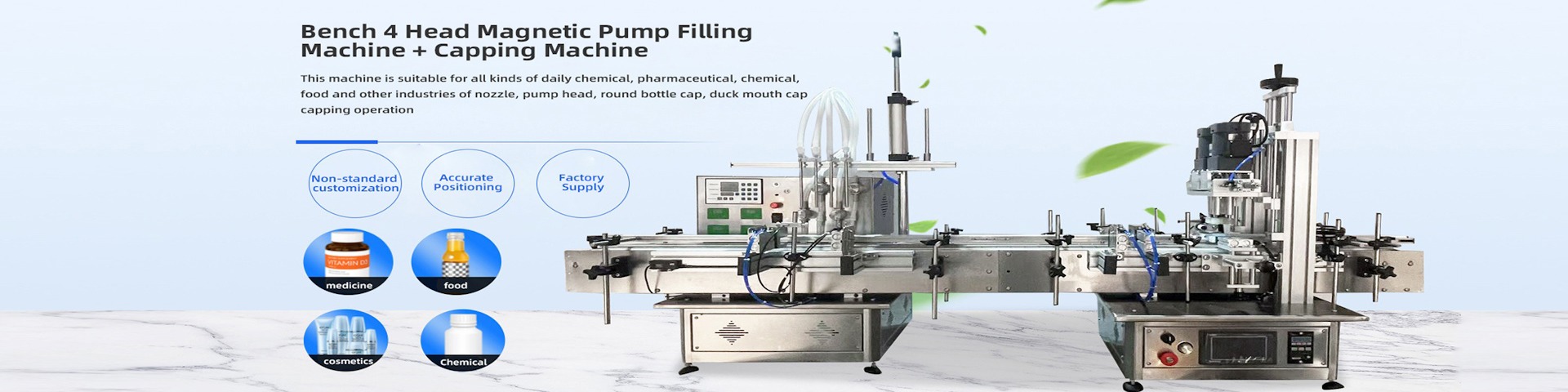


В современном мире пищевая промышленность переживает беспрецедентную трансформацию, движимую технологическими инновациями. Одним из ключевых факторов этой революции является развитие и внедрение пищевых упаковочных машин. Эти устройства не только автоматизируют процесс упаковки, но и кардинально меняют то, как мы производим, распределяем и потребляем продукты питания. В этой статье мы глубоко погрузимся в тему, рассмотрев исторический контекст, технологические достижения, преимущества для бизнеса и общества, а также будущие перспективы пищевых упаковочных машин. Мы обсудим, как эти машины повышают эффективность, обеспечивают безопасность продуктов, сокращают отходы и открывают новые горизонты для индустрии.
Исторический обзор: от ручной упаковки к автоматизации
История упаковки пищевых продуктов насчитывает тысячелетия, начиная с простых методов, таких как обертывание в листья или хранение в глиняных сосудах. В древние времена упаковка служила primarily для сохранения пищи и облегчения транспортировки. С развитием цивилизаций, например, в Древнем Египте и Риме, стали использоваться более sophisticated материалы, такие как стекло и металлы. Однако настоящая революция началась с промышленной революции XVIII и XIX веков, когда массовое производство потребовало стандартизированных методов упаковки.
В начале XX века появились первые механизированные упаковочные устройства, которые значительно ускорили процессы на фабриках. Например, изобретение конвейерной ленты Генри Фордом в automotive industry вдохновило аналогичные инновации в пищевой sector. К середине века, с ростом потребительской культуры, упаковка стала не только функциональной, но и маркетинговой tool, привлекая внимание покупателей через дизайн и брендинг.
С 1970-х годов компьютерные технологии начали интегрироваться в упаковочное оборудование, приводя к появлению programmable logic controllers (PLCs) и систем автоматизации. Это позволило machines адаптироваться к различным продуктам и упаковочным материалам, повышая гибкость и точность. К 2000-м годам, с advent of IoT и AI, пищевые упаковочные машины evolved into умные системы, способные к самооптимизации и predictive maintenance.
Сегодня, мы находимся на пике этой эволюции, где упаковочные машины не просто автоматизируют tasks, но и contribute to sustainability and digital transformation. Они integrated with supply chain management systems, enabling real-time tracking and customization. This historical journey underscores how packaging machines have transformed from simple tools to complex, intelligent assets that drive efficiency and innovation in the food industry.
Технологические инновации в пищевых упаковочных машинах
Современные пищевые упаковочные машины оснащены передовыми технологиями, которые делают их faster, smarter, and more efficient. Key innovations include robotics, artificial intelligence (AI), Internet of Things (IoT), and advanced sensors. Robotics, for instance, allows for precise handling of products, reducing human error and increasing speed. AI algorithms optimize packaging processes by analyzing data on product characteristics, environmental conditions, and consumer preferences, leading to personalized packaging solutions.
IoT connectivity enables machines to communicate with each other and with central systems, facilitating remote monitoring and control. This means that operators can adjust settings in real-time from anywhere in the world, minimizing downtime and improving responsiveness. Advanced sensors, such as vision systems and weight sensors, ensure accuracy in filling and sealing, preventing waste and ensuring product integrity.
Another significant innovation is the use of sustainable materials and energy-efficient designs. Machines now support biodegradable and recyclable packaging options, aligning with global environmental goals. Additionally, modular designs allow for easy upgrades and adaptations, future-proofing investments. These technological advancements not only enhance operational efficiency but also open new possibilities for customization and scalability in food packaging.
Преимущества автоматизации упаковки для бизнеса
Автоматизация упаковки с помощью пищевых машин предлагает numerous benefits for businesses in the food industry. Firstly, it significantly increases productivity by speeding up processes and reducing labor costs. Manual packaging is time-consuming and prone to errors, whereas machines can operate 24/7 with consistent output. This leads to higher throughput and faster time-to-market for products.
Secondly, automation improves quality control. Machines can detect defects, ensure proper sealing, and maintain hygiene standards, reducing the risk of contamination and product recalls. This enhances brand reputation and consumer trust. Moreover, automated systems provide valuable data analytics, helping businesses optimize inventory, forecast demand, and make informed decisions.
Cost savings are another major advantage. While initial investment in packaging machines can be high, the long-term ROI is substantial due to reduced waste, lower energy consumption, and decreased reliance on manual labor. Businesses can also achieve greater flexibility, as modern machines can handle a variety of package sizes and types, allowing for quick changes in production lines to meet market demands.
Влияние на безопасность и качество пищевых продуктов
Безопасность пищевых продуктов является paramount in the industry, and packaging machines play a crucial role in ensuring it. Automated systems minimize human contact with food, reducing the risk of contamination from bacteria or other pathogens. Advanced sealing technologies, such as vacuum sealing or modified atmosphere packaging (MAP), extend shelf life by preventing oxidation and microbial growth.
Quality assurance is enhanced through real-time monitoring and feedback loops. Sensors can detect irregularities in packaging, such as leaks or incorrect labels, and immediately alert operators. This proactive approach prevents defective products from reaching consumers, safeguarding health and compliance with regulations like HACCP and FDA standards.
Furthermore, packaging machines contribute to traceability. By integrating with blockchain or other tracking systems, they enable end-to-end visibility of the supply chain. This allows for quick recalls if needed and builds consumer confidence through transparency. Overall, the adoption of advanced packaging machines elevates the standards of food safety and quality, benefiting both producers and consumers.
Экологические аспекты и устойчивое развитие
В эпоху growing environmental concerns, пищевые упаковочные машины are evolving to support sustainability. They are designed to work with eco-friendly materials, such as compostable plastics, paper-based packaging, and reusable containers. This reduces the environmental footprint of packaging waste, which is a significant issue globally.
Energy efficiency is another focus area. Modern machines consume less power through optimized motors and smart energy management systems. Some are even equipped with solar panels or energy recovery mechanisms, further minimizing their carbon footprint. Additionally, automation reduces material waste by precise measuring and cutting, ensuring that only the necessary amount of packaging is used.
The shift towards circular economy models is facilitated by these machines. They enable recycling and upcycling of packaging materials, contributing to a closed-loop system. Businesses that adopt sustainable packaging practices not only comply with regulations but also appeal to environmentally conscious consumers, enhancing their market position. Thus, packaging machines are not just tools for efficiency but also catalysts for positive environmental change.
Будущие тенденции и прогнозы
Будущее пищевых упаковочных машин looks promising with emerging trends set to reshape the industry. AI and machine learning will become even more integrated, enabling predictive maintenance and autonomous decision-making. For example, machines could self-diagnose issues and order spare parts before breakdowns occur, maximizing uptime.
Personalization will be a key trend, with machines capable of creating custom packaging for individual consumers based on dietary preferences or occasions. This could be driven by data from IoT devices and consumer apps. Another exciting development is the use of nanotechnology in packaging, which could enhance barrier properties and add smart features like freshness indicators.
Collaborative robots (cobots) will work alongside humans, combining the strength of automation with human creativity. In terms of materials, we can expect more innovations in bioplastics and edible packaging, reducing waste further. The adoption of 5G technology will enable faster data transfer and real-time control, making packaging processes more agile.
Overall, the future will see packaging machines becoming smarter, greener, and more connected, driving continuous improvement in the food industry. Businesses that embrace these trends will gain a competitive edge, while consumers will enjoy safer, more sustainable, and personalized products.
Заключение
В заключение, пищевые упаковочные машины represent a revolutionary force in the food industry, transforming how we package, distribute, and consume food. From historical roots to cutting-edge technologies, they have evolved to offer unparalleled efficiency, safety, and sustainability. The benefits for businesses are clear: increased productivity, cost savings, and enhanced quality control. For society, they contribute to food security, environmental protection, and innovation.
As we look to the future, the continued advancement of these machines will unlock new possibilities, making the food industry more resilient and responsive to global challenges. It is imperative for stakeholders to invest in and adopt these technologies to stay ahead in a competitive market. Ultimately, the revolution in food packaging is not just about machines; it's about creating a better, smarter, and more sustainable world for all.
This article has provided a comprehensive overview, but the journey is far from over. Stay tuned for more insights and updates on how packaging machines continue to shape our food landscape.
